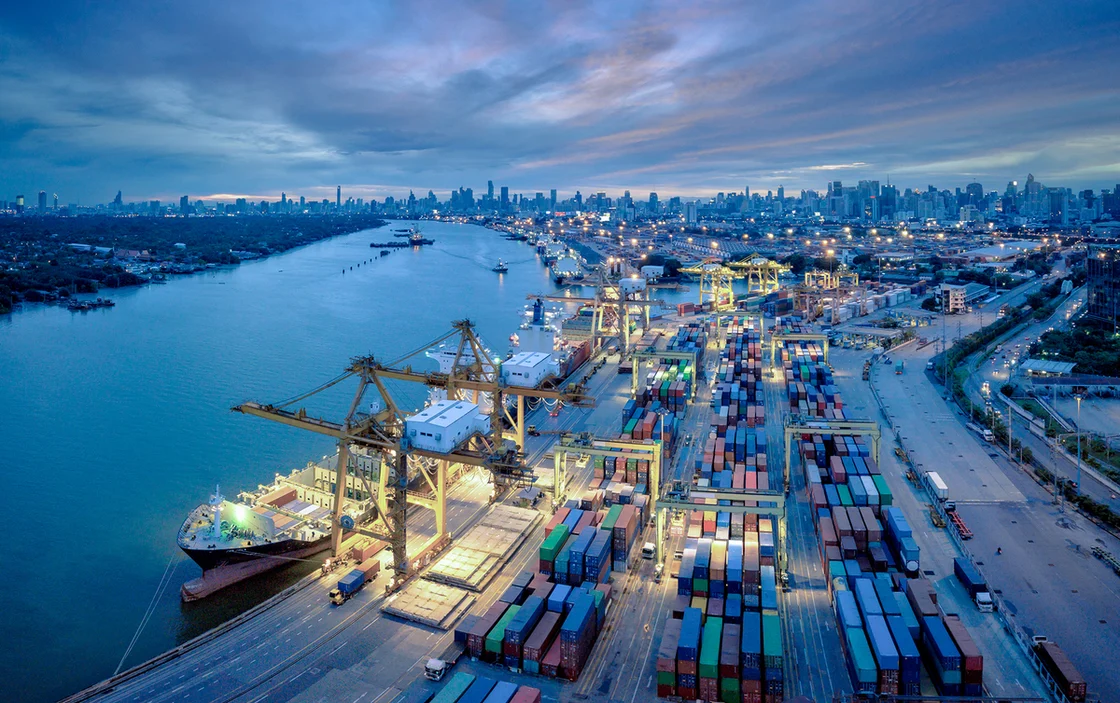
Meeting the maritime industry's growing energy demand will require more than incremental improvements to existing fuel system systems. Many of the alternative fuels for shipping depend on large volumes of reliable electricity for production, storage or distribution. Delivering that energy consistently in ports, coastal hubs and offshore environments presents a significant challenge, particularly where transmission expansion or onshore generation is constrained by geography, cost or timelines. In this context, nuclear power offers a dependable and scalable source of energy that can operate independently of fuel supply chains or weather conditions. Re-examining long-held assumptions about nuclear technology is therefore an important step in understanding its potential role in supporting maritime operations and infrastructure.
Radiation exists naturally in all parts of our environment, yet public concern often outweighs the actual risk it poses. Nuclear radiation and its effects on life have been extensively studied for more than a century. Established safe exposure limits remain well above the levels experienced by workers in both the aviation and nuclear industries, and even below natural background radiation levels in some parts of the world. In Cornwall, for example, residents receive a higher average daily dose of natural radiation than both airline and nuclear plant workers, without any measurable health impact.
Despite a strong operational safety record, public perception of nuclear energy has been shaped by a small number of high-profile incidents. When measured across the entire energy lifecycle, however, nuclear power has one of the lowest fatality rates per unit of electricity produced of any major generation technology. The sector has also evolved significantly since the mid-twentieth century, with modern reactor designs developed for civilian and research applications rather than military use. Safety remains central to nuclear system design and operation. The Defence-in-Depth approach incorporates multiple layers of protection so that even if one component fails, additional safeguards are in place to prevent or mitigate any potential incident. Strict operating procedures, continuous inspection regimes and equipment testing form part of this framework, supporting safe and reliable performance over extended operational periods.
Concerns around spent nuclear fuel are also frequently overstated. Used fuel is initially stored in steel-lined pools before being transferred into robust dry storage casks designed to withstand severe physical stress, including impact, fire and water immersion. In the United States, more than a million shipments of spent fuel have taken place over the past five decades without a single radiological release affecting the public or the environment. In many countries, spent fuel can also be recycled into new fuel or industrial by-products, enabling further energy production from existing material.
While established storage and handling practices continue to support the safe management of used fuel, a new generation of advanced nuclear technologies is now emerging. Light Water Reactors have safely produced electricity on land for decades, and similar reactor systems have powered naval vessels since the 1950s, operating reliably through pitching, rolling and extended deployments without refuelling. Commercial nuclear ships were also tested in the mid-twentieth century, though low fuel prices and unresolved economic and insurance considerations limited their wider adoption at the time.
Today, advanced reactors, including Small Modular Reactors (SMRs), are being developed with applications beyond traditional land-based electricity markets in mind. To operate effectively in marine environments, these systems must meet key industry requirements. These include inherent passive safety features that allow the reactor to shut down safely without intervention, extended fuel cycles that minimise refueling intervals, and reduced emergency planning zones that support insurability and access to ports or nearshore locations.
Cost has historically been a barrier to wider deployment, particularly where projects have relied on bespoke, first-of-a-kind builds. SMRs offer an alternative approach, with power outputs of up to 300 MWe per unit, their modular design enables factory assembly before transportation for installation. This facilitates the serial production of repeatable energy systems using a centralised workforce. Such an approach closely aligns with established practices in the maritime sector, where shipyards routinely construct complex systems in controlled manufacturing environments. Applying similar industrial methods to nuclear energy systems has the potential to reduce build times, improve cost predictability and support the reliable deployment of power generation capacity in maritime settings.
As maritime energy demands continue to grow, the question is no longer whether nuclear technology can operate safely at sea, but how it can be applied to meet the operational realities of modern shipping and coastal infrastructure. By aligning nuclear innovation with established maritime industrial practices, there is an opportunity to deliver reliable power solutions that support ports, logistics hubs and offshore operations without the limitations of traditional fuel supply chains. In this context, rethinking how nuclear technology is developed, manufactured and deployed will be essential to ensuring the maritime sector has access to scalable and dependable energy in the decades ahead.


