
The role of ports is expanding
Industrial growth means greater demand for power. Port electrification is only one part of the picture. Future energy demand may also come from manufacturers, other industrial tenants, logistics facilities, data centers, clean fuel production, desalination, and surrounding communities. For ports seeking to attract companies bringing production to the U.S. or expanding existing U.S. operations, access to reliable electricity at scale could be a deciding factor.
A potential role for floating nuclear
Bringing firm generation to the waterfront. Floating nuclear power plants (FNPPs) could provide ports with access to reliable, low-carbon electricity without requiring a conventional land-based nuclear site on port property. Deployed from the waterfront, they could support port operations while also supplying nearby industry, infrastructure, and regional grids.
Potential applications
Shore power
Port and terminal operations
Manufacturing and industrial tenants
Data centers
Clean fuel production
Desalination
Local or regional grid support
CORE POWER’s MoC with the Port of Corpus Christi Authority
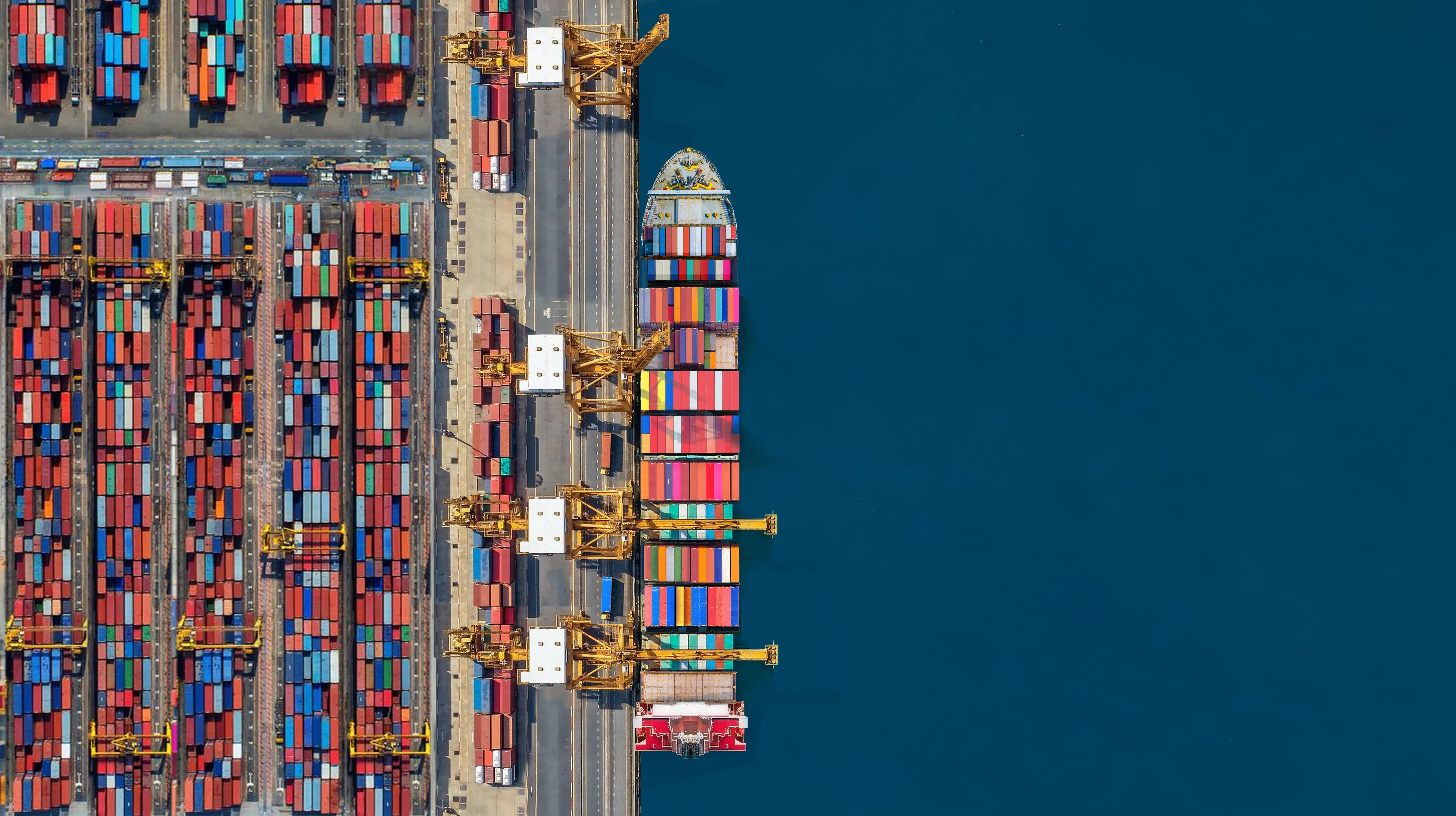
In August 2026, CORE POWER signed a Memorandum of Collaboration with the Port of Corpus Christi Authority to study how a major U.S. energy and trade gateway could prepare for two additional distinct future roles: as a potential location for a floating nuclear power plant (FNPP) supplying firm power for port and regional demand, and as a gateway for future calls by nuclear-powered commercial ships.
Energy as a competitive advantage
Reliable power can attract U.S. manufacturing investment. Reliable electricity can influence where companies build factories, expand production, and invest in infrastructure. Ports that can support these needs could help strengthen U.S. industrial base and domestic supply chains. For port authorities and operators, energy infrastructure could become an important part of long-term commercial strategy, land-use planning, and regional economic development. The conversation needs to start before demand arrives.
Planning for the opportunity
How much electricity could a port require over the next 10 to 20 years?
Where could existing grid infrastructure become a constraint?
Which manufacturing other future tenants will require access to firm power?
How could new generation support domestic manufacturing, energy security, and regional economic development?
Which organizations would need to participate in an early feasibility assessment?
Floating nuclear deployment would require early coordination across port authorities, utilities, regulators, local and state governments, economic development agencies, industry, and surrounding communities.
Why CORE POWER
Maritime nuclear designed for commercial deployment
CORE POWER is developing maritime nuclear solutions for energy generation and commercial shipping. We work across the technical, maritime, regulatory, and commercial requirements needed to make deployment possible. Our objective is to create a repeatable model that can support ports, utilities, industrial users, and regional economies.
